

Fake Your Death Legality: Laws, Risks, and What You Need to Know
Staging one’s disappearance, vanishing from public records, or fabricating a death is an idea that has long fascinated storytellers and captured headlines. But beyond the drama and tabloid intrigue lies a complicated web of law, ethics, and real-world consequences. This article explores the legal landscape around fake your death legality, explains why the act usually leads to criminal liability, compares approaches across jurisdictions, reviews notable cases, and offers safer alternatives for people in desperate situations. This is an informational, non-actionable analysis: I will not describe methods to commit wrongdoing, only the laws, consequences, and policy context surrounding the issue.
What does “Fake Your Death Legality” mean in legal terms?
“Fake Your Death Legality” — also called pseudocide — refers to deliberately creating the appearance that you have died when you have not. In itself, the physical act of disappearing or signaling Fake Your Death Legality is not neatly classified as a single crime across most legal systems. Rather, the legal risk comes from the activities tied to that deception: presenting forged documents, submitting false claims (especially insurance), identity fraud, tampering with official records, perjury, obstructing justice, or conspiracy. In short, it’s not usually the disappearance that is prosecuted — it’s the fraudulent and criminal acts used to make that disappearance official or profitable. Wikipedia+1
Why the law treats Fake Your Death Legality as a criminal matter
Lawmakers and prosecutors focus on protecting public safety, the integrity of official records, financial systems, and the rights of victims. When a person stages their Fake Your Death Legality for gain — for example to collect life insurance, escape debts, or avoid obligations such as child support — the deception harms other parties and usually involves falsifying documents, lying to authorities, or causing others to suffer losses. Laws criminalizing fraud, false statements, forgery, identity theft, and similar conduct therefore apply. Examples include insurance fraud statutes, mail and wire fraud laws, statutes against fabricating evidence, and provisions that punish conspiracy to defraud. High-impact enforcement actions typically arise when money, public benefits, or government records are abused. Department of Justice+1
Overview by legal theme (what you’re most likely to be charged with)
- Insurance fraud: Claiming a life insurance benefit on a fabricated death is classic. Insurers investigate suspicious claims and can bring civil suits and cooperate with criminal prosecutors. Convictions can mean prison, restitution, and long-term financial penalties. Famous cases show multi-year sentences. The Lassen Law Firm+1
- Forgery and falsifying records: Creating or procuring forged death certificates, cremation receipts, or burial records is commonly charged as forgery, a serious offense in many jurisdictions. Government registries and municipal records are protected to preserve public trust. India Code
- Perjury / false evidence: If the deception is used in judicial or administrative proceedings (e.g., tax filings, benefit claims, court affidavits), people can be charged with giving false evidence or perjury. Those convictions carry distinct penalties. A Lawyers Reference+1
- Identity theft and fraud: Using other people’s identities (or creating a new identity) to live under a different name or to file claims implicates identity-theft and fraud statutes. The modern digital environment magnifies these risks. The Guardian
- Obstruction of justice / conspiracy: If the disappearance is part of a wider plan to impede investigations, deceive government officials, or coordinate with accomplices, obstruction and conspiracy charges often follow. Department of Justice
Does the law anywhere say “faking your death is illegal” as a standalone offense?
Across common-law and civil-law countries, there is rarely a statute that reads, “It is illegal to fake your own death” in isolation. Instead, legal systems address the harmful byproducts. Courts and prosecutors therefore rely on established fraud, record-tampering, or related statutes to hold offenders accountable. There are exceptions where specific regulatory rules tightly control death registrations, and manipulating those registers can itself be an offense. But the practical takeaway is simple: while you might not be jailed solely for vanishing into the woods, once you take steps to make your death official or profitable, you trigger multiple criminal laws. Wikipedia+1
Notable real-world examples and their outcomes
Real cases help illustrate the legal and human consequences.
- John and Anne Darwin (United Kingdom)
John Darwin staged his death in a 2002 canoeing incident and later lived secretly while his wife claimed insurance and mortgage relief. After being discovered, both were convicted of fraud and sentenced to prison. The case underlined how insurance and mortgage fraud investigations, combined with public records scrutiny, brought them down. Wikipedia - Minnesota insurance-fraud case (United States)
A Minnesota couple allegedly faked a husband’s death to obtain a $2 million payout; federal charges such as mail fraud and monetary transaction offenses followed. The U.S. Attorney’s Office pursued criminal charges and restitution. Department of Justice - Digital registry manipulation (US, recent)
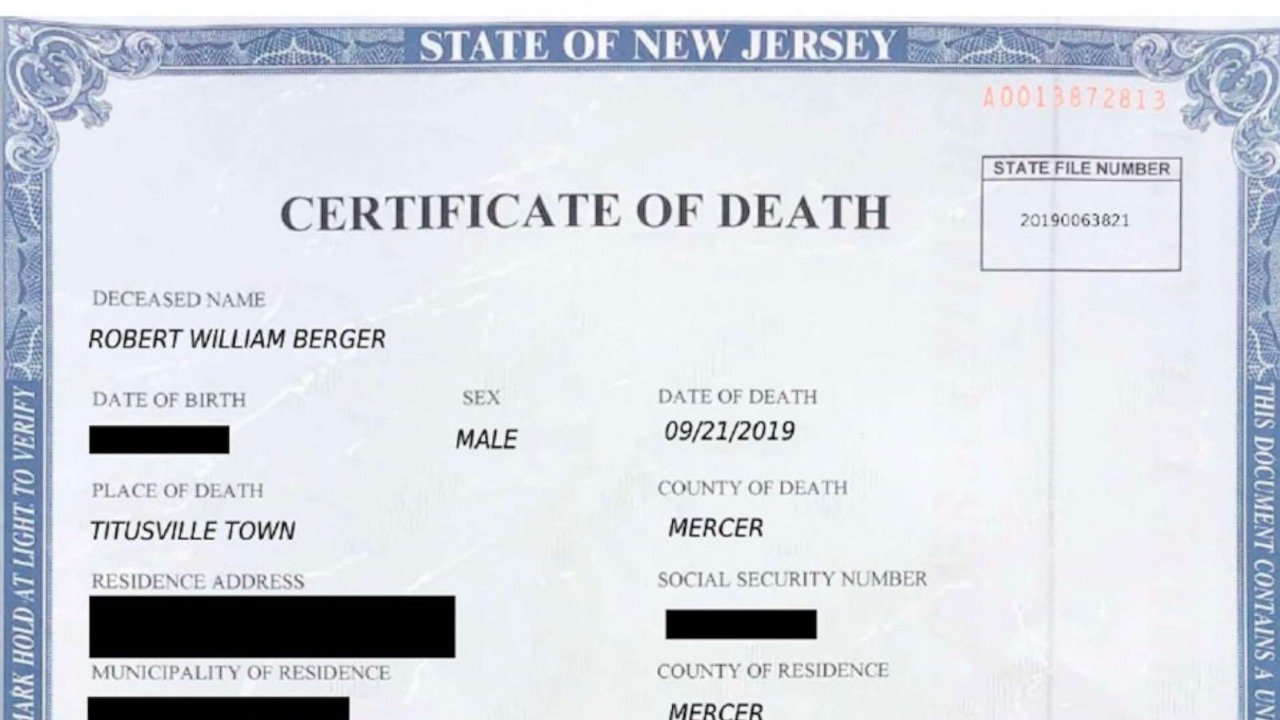
In a high-profile U.S. case, a man pleaded guilty to creating fake death records via state registries and using stolen credentials to evade child-support obligations, resulting in federal charges including computer fraud. This demonstrates modern risk: exploiting electronic registries is both detectable and aggressively prosecuted. The Guardian - Insurance fraud arrests in India and Australia
Newspapers and legal reporting show arrests and prosecutions where forged documents and false claims were used to claim life insurance. Penalties range from long-term imprisonment to heavy fines and confiscation of ill-gotten funds. The Times of India+1
These examples show a clear pattern: attempts to convert a faked death into financial gain or legal escape attract serious criminal scrutiny and significant penalties.
How different legal systems approach the issue (comparative look)
- United States: Enforcement is split between state and federal authorities. State laws cover insurance fraud, forgery, and falsification of vital records. Federal charges come into play when mail/wire fraud, bank fraud, interstate deception, or computer crimes are involved. The U.S. has seen several cases where both state and federal counts were brought. Department of Justice+1
- United Kingdom: Criminal liability follows from fraud — whether via insurers, mortgagees, or government benefits — and forgery. High-profile fraud prosecutions (e.g., John Darwin) demonstrate that sentences may be substantial where collusion and deception are proven. Wikipedia
- India: Aside from fraud and cheating prosecutions, provisions such as IPC Section 193 (false evidence) and related sections that punish falsification of documents can be used. India’s legal system combines criminal penalties with administrative scrutiny of death registries and insurance claims. India Code+1
- Other jurisdictions: Many countries treat the issue similarly: the underlying fraud and corrupting of records are punishable. Differences tend to be in procedural tools, the severity of penalties, and how aggressively regulators or insurers investigate claims. News reports show arrests across Australia, China, and elsewhere when staged deaths cause loss or harm. News.com.au+1
Why prosecution is often easy once an investigator smells fraud
Investigations follow the money and the paperwork. Life insurance claims, sudden transfers, changes to wills, rapid payouts, or suspicious cremation and burial paperwork ring alarm bells. Modern cross-jurisdictional databases, digital footprints (credit cards, mobile towers, social media), and cooperation between insurers and law enforcement make it possible to trace people who believed they had vanished. Forged documents often leave forensic traces; fabricated stories often unravel under cross-examination. The combination of electronic recordkeeping and forensic financial probes makes it difficult to sustain a long-term pseudocide without leaving a trail that investigators will follow. The Lassen Law Firm+1
Human consequences beyond criminal penalties
- Family and social harm: Staging a death can cause profound emotional trauma to relatives, friends, and communities. Cases have reported family breakdowns, suicides, and long-term psychological damage to those who believed someone had died. TIME
- Restitution and civil liability: Convictions or successful civil suits often result in orders to repay insurers, mortgage lenders, or victims. The financial fallout can be greater than the immediate motive that led someone to stage their death.
- Loss of fundamental rights and secure identity: Convicted fraudsters face barriers to employment, travel, housing, and future credit. Long-term records of conviction entrench those harms.
- International consequences: Using foreign safe havens or creating new identities abroad can trigger extradition, international fraud investigations, or diplomatic complications.
Policy, prevention, and the public interest
Because staged deaths often exploit regulatory gaps or lax record-keeping, policy measures focus on reinforcing registries, tightening verification steps for payouts, and improving interagency data-sharing. Insurers and governments increasingly use fraud analytics, biometric checks, and mandatory investigative holds on large payouts. These measures aim to deter and detect attempts to exploit the system while balancing the need to ensure legitimate claimants are paid promptly. Public awareness campaigns and whistleblower protections also help surface fraudulent schemes earlier. Department of Justice+1
Ethical dimensions and why it’s not merely a “personal choice”
Some people rationalize disappearing as a personal escape from debt, abusive relationships, or legal pressures. But law and ethics intersect in the public sphere: when deception harms others, crosses legal lines, or risks lives (e.g., a spouse who believes a partner is dead and later takes irreversible legal steps), society has an interest in imposing boundaries. Moreover, escaping problems through deception can compound harm, creating cascading legal liabilities and human damage rather than solving root causes.
Practical alternatives to faking your death (lawful options)
If the motivation is legitimate — debt pressure, threat, or abuse — there are lawful paths that preserve safety and dignity:
- Legal counseling: For financial distress, bankruptcy, debt consolidation, or negotiated settlements are legitimate routes. Courts and consumer-protection services provide options that do not require committing crimes.
- Protection from abuse: If safety is the driver, domestic-violence shelters, restraining orders, witness-protection programs (in narrow circumstances), and social services exist to protect vulnerable people.
- Witness protection and law-enforcement programs: For people in witness-protection situations, governments can provide new identities and relocation — but only under tightly controlled legal frameworks and with the involvement of law enforcement, not self-styled pseudocide. These programs are not available for general escape from civil obligations.
- Mental-health and social services: For those facing despair, mental-health services and crisis intervention can provide support without legal jeopardy.
Choosing a lawful path avoids criminal charges, restitution, and the long-term harm to family relationships and reputation.
Challenges investigators and policymakers still face
- Digital anonymity vs. surveillance: The internet both aids pseudocide (tools for anonymity) and aids detection (digital footprints, transactional records). Policy must balance privacy with anti-fraud effectiveness.
- Cross-border enforcement: When fraud spans countries, cooperation is essential but slow. Harmonizing registries and improving mutual legal assistance helps but remains challenging.
- False positives and fairness: Strong anti-fraud measures risk delaying legitimate claims. Policymakers must calibrate safeguards so honest victims are not unduly punished by slow payouts. The Zebra+1
Comparative outcomes: success stories and lessons learned
Success in reducing fraud often comes from layered defenses: stronger document verification, obligatory waiting periods on suspicious payouts, data-sharing between insurers and governments, and specialized fraud units within law enforcement. Insurance sectors that invested in analytics and cross-carrier communication saw earlier detection of patterns (e.g., multiple suspicious small policies, abrupt beneficiary changes). Jurisdictions that improved Fake Your Death Legality-registration verification reduced opportunities for registry manipulation. The lesson: prevention is multipronged — technological, legal, and procedural. The Zebra+1
Future prospects and what to watch for
- Biometrics and verification: Increasing use of biometric identifiers in health and civil registries could make registry manipulation harder — but raises privacy concerns that will need balanced regulation.
- AI and fraud detection: Machine learning models can flag anomalous claims or suspicious documents earlier, but they also require oversight to prevent bias.
- International data agreements: Expect more cross-border data tools and treaties to address fraud that crosses jurisdictions.
- Evolving criminal statutes: Legislatures may create specific offenses tied to manipulation of Fake Your Death Legality registries or digital certification processes as new vulnerabilities emerge.
- Societal responses: Public debate about compassionate responses to people in crisis (without rewarding fraud) will shape policy choices — balancing enforcement with humane safety nets.
Legal do’s and don’ts (high-level guidance)
Do:
- Seek legal counsel if you face overwhelming debts or threats — there are lawful remedies.
- Report suspicious claims if you suspect fraud — insurers and authorities rely on tips.
- Use official channels for witness protection or government-provided relocation when applicable.
Don’t:
- Attempt to fake Fake Your Death Legality, procure forged documents, or claim benefits on a false premise. These acts typically trigger multiple criminal statutes and severe penalties.
- Use online tutorials or forums that encourage illicit identity manipulation — engaging with such materials can itself be evidence of intent.
How victims and professionals should respond
- Victims and families: Preserve records, document communications, and report suspected fraud to insurers and police. If you receive a life-insurance payout and later discover fraud, consult a lawyer immediately — there may be ways to recover funds and press charges.
- Insurers and employers: Invest in verification workflows, mandatory investigative holds for suspicious payouts, and intercompany fraud reporting.
- Policy makers: Strengthen registries, encourage cross-sector data-sharing, and fund specialized fraud units.
Summary: the plain truth about “fake your death legality”
While the phrase fake your death legality may sound like a curiosity — and narratives in fiction sometimes glamorize such escapes — the real world is unforgiving. The act of faking a Fake Your Death Legality becomes criminal when it relies on forged documents, lies to official bodies, or theft of benefits. The strongest deterrents are not moralizing alone but robust legal tools, modern investigative techniques, and international cooperation. People considering disappearance for legitimate safety reasons should pursue lawful channels; those contemplating fraud should be counseled by the hard examples above and the real legal exposure that follows. Wikipedia+1
Frequently Asked Questions
Is it a crime to disappear without telling anyone?
Disappearing by itself — walking away from a job or community — is generally not a crime. However, many associated acts (fraudulently using another person’s identity, abandoning minors, or falsifying records to make the disappearance look like a death) can be criminal. The legal risk depends entirely on the methods used and the harm caused. Wikipedia
Can I go to jail for faking my own death?
Yes, if your actions include fraud, forgery, identity theft, perjury, obstruction of justice, or related offenses. Courts have imposed multi-year prison sentences and ordered restitution in numerous cases. The sentence depends on jurisdiction, the scope of the fraud, and whether federal laws apply. Department of Justice+1
What happens to life insurance if a Fake Your Death Legality turns out to be staged?
Insurers investigate suspicious claims. If fraud is proven, insurers deny benefits, seek restitution, and may press criminal charges. Beneficiaries who knowingly participated in the fraud can be prosecuted. Even uninvolved beneficiaries may face civil suits to return money paid out in error. The Lassen Law Firm
Are there legitimate programs to change identity for safety?
Yes, in narrow circumstances governments operate witness-protection and relocation programs that legally provide new identities under strict supervision and legal frameworks. These are not available for escaping financial or civil obligations. For victims of abuse, there are social services and shelters to provide safety without breaking the law.
If someone fakes their death and later returns, can they be prosecuted?
Yes. Returning or being discovered often leads to prosecution because evidence of fraud and falsification is then easier to obtain. Many well-documented cases ended in criminal convictions after the person was found alive. Wikipedia+1
How do investigators detect falsified death claims?
Investigators examine paperwork for inconsistencies, check registries, analyze financial and phone records, interview witnesses, and use surveillance and forensic auditing. Electronic records and interagency data-sharing have increased detection success. The Zebra
Where can I get help if I feel trapped and think disappearance is the only option?
Contact legal aid for debt or family-law issues, reach out to domestic-violence hotlines and shelters if safety is a concern, or seek mental-health crisis services if feeling overwhelmed. There are lawful, humane options available that avoid the criminal consequences described above.
Final note (ethics and caution)
This article was written to explain the legal and social consequences tied to fake your death legality and to discourage harmful or criminal behavior. I have intentionally not provided methods or step-by-step instructions to carry out a disappearance — doing so would be unsafe and unlawful. If your situation involves abuse, imminent danger, or unmanageable debt, please seek legal counsel and local social services — lawful help exists and is the safest route.
Selected sources and further reading
- U.S. Department of Justice, press releases on insurance and mail-fraud prosecutions. Department of Justice+1
- John Darwin disappearance (case study). Wikipedia
- IPC Section 193 (India) on false evidence. India Code
- Life insurance–fraud analyses and notable cases. The Lassen Law Firm+1


